Big Grill Shop / Journal
Understanding Risk-Reducing Hysterectomy: A Definitive Guide by Leading Obstetricians & Gynecologists
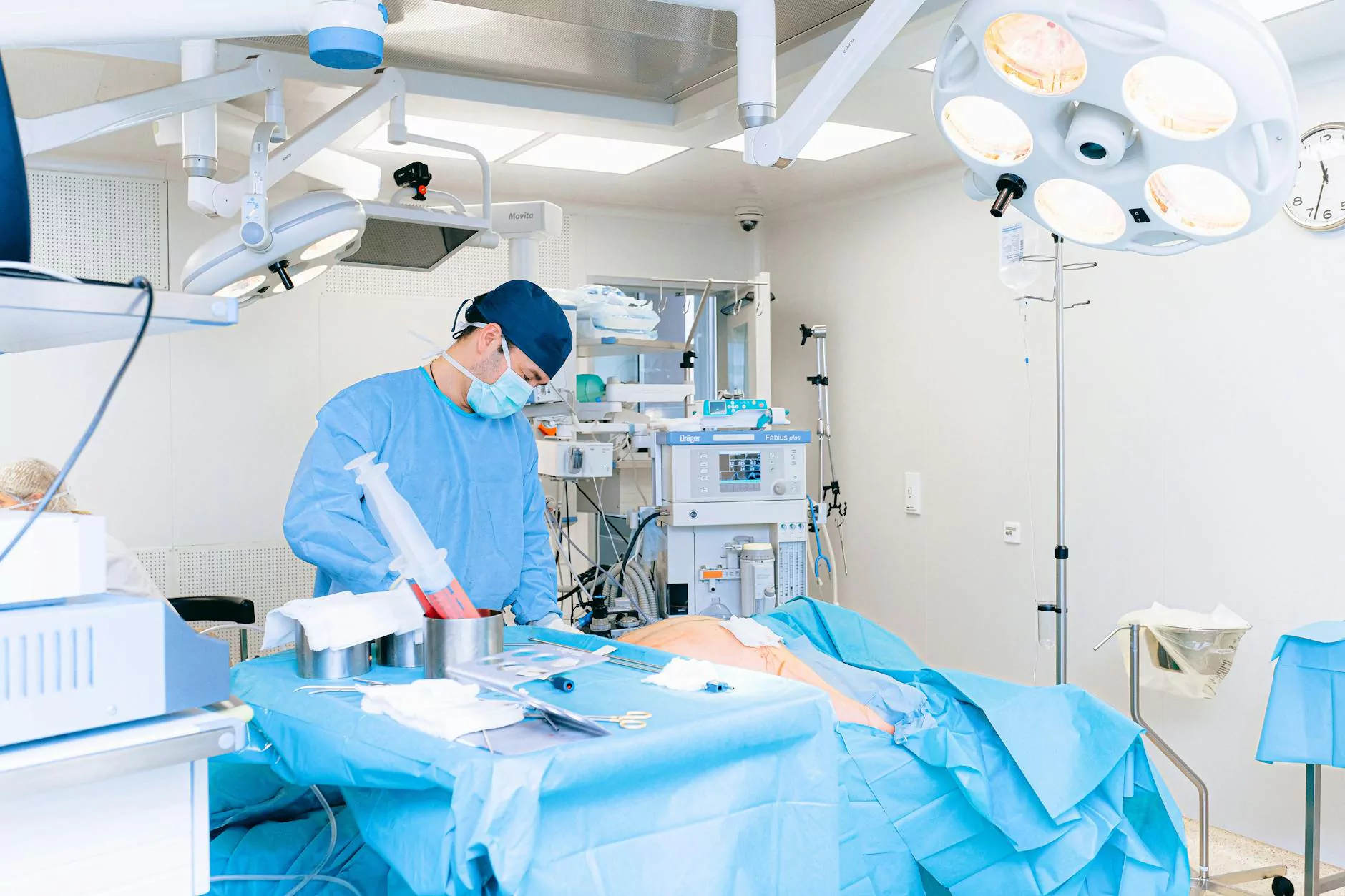
When it comes to women’s reproductive health, preventative surgical procedures like risk-reducing hysterectomy have become increasingly significant in protecting against various gynecological diseases, especially those related to ovarian and uterine cancers. Spearheaded by top doctors at drseckin.com, specializing in Health & Medical and Obstetricians & Gynecologists, this guide aims to provide detailed, accurate, and comprehensive information about this vital procedure. Our goal is to educate women about their options, benefits, risks, and the latest advancements in surgical techniques aimed at reducing health risks associated with gynecologic cancers.
What Is a Risk-Reducing Hysterectomy?
A risk-reducing hysterectomy is a preventive surgical procedure where the uterus, and in some cases the ovaries and fallopian tubes, are removed to lower the chances of developing certain types of gynecologic cancers, particularly ovarian, uterine, and fallopian tube cancers. This procedure is often considered for women who have a significant hereditary risk, such as those with BRCA mutations, or for women with a history of precancerous conditions.
The Importance of Risk Reduction in Gynecologic Oncology
Gynecologic cancers pose significant health threats for women globally, often diagnosed at advanced stages leading to poorer outcomes. Risk-reducing hysterectomy plays a crucial role in decreasing the incidence of these cancers, especially in high-risk populations. Early intervention can dramatically improve survival rates and quality of life, making education and timely surgical planning essential components of proactive women's healthcare.
Who Can Benefit from a Risk-Reducing Hysterectomy?
High-Risk Women Based on Genetic Factors
- BRCA1 and BRCA2 mutation carriers: Women with inherited mutations linked to increased ovarian and breast cancer risk.
- History of hereditary cancer syndromes: Such as Lynch syndrome, which elevates risk for multiple gynecologic cancers.
Women with Precancerous or Malignant Conditions
- Endometrial hyperplasia: Particularly atypical hyperplasia that does not respond to conservative treatments.
- Persistent cervical dysplasia: When the lesion is high-grade and invasive procedures have failed.
Women Facing Reproductive Concerns
In some cases, women opting for risk-reducing hysterectomy may aim to alleviate severe symptoms linked to benign conditions such as large fibroids or chronic pelvic pain, while also reducing future cancer risks.
Types of Risk-Reducing Hysterectomy Procedures
Advancements in surgical techniques have provided various options to tailor procedures according to patient needs, risk levels, and personal preferences.
Subtotal (Supracervical) Hysterectomy
This procedure involves removing the uterus while leaving the cervix intact. While it may have quicker recovery and less invasive nature, it might not fully eliminate the risk of certain cancers.
Total Hysterectomy
Removes both the uterus and cervix, offering comprehensive risk reduction, especially beneficial for women with previous cervical pathology or high cancer risk.
Radical Hysterectomy
Involves removal of the uterus, surrounding tissues, and part of the vagina, primarily used for invasive cancers rather than preventive purposes.
Oophorectomy and Salpingo-Oophorectomy
Removing the ovaries and fallopian tubes alongside the uterus can significantly decrease ovarian and fallopian tube cancer risks. This approach is often combined with other hysterectomy types in high-risk scenarios.
Understanding the Surgical Process and Innovation
Minimally Invasive Techniques
Laparoscopic Surgery
This technique uses small incisions, a camera, and specialized instruments, leading to less pain, quicker recovery, and minimal scarring.
Robotic-Assisted Surgery
Utilizing robotic systems, surgeons can perform precise maneuvers in complex cases with enhanced dexterity and visualization, improving safety and outcomes.
Open Surgery
Traditional approach via larger abdominal incision, typically reserved for extensive pathology or cases where minimally invasive methods are contraindicated.
Benefits of Risk-Reducing Hysterectomy
- Significant decrease in ovarian and uterine cancer risk, especially in high-risk individuals.
- Potential alleviation of symptoms related to benign gynecologic conditions.
- Peace of mind for women with a hereditary predisposition to cancer.
- Improved overall quality of life and psychological well-being.
Risks and Considerations
Every surgical procedure involves considerations and potential risks, which should be thoroughly discussed with an experienced gynecologist. Common concerns include:
- Hormonal changes: Especially if ovaries are removed, leading to menopause symptoms.
- Potential surgical complications: Bleeding, infection, damage to adjacent organs.
- Emotional impact: Psychological effects related to loss of reproductive organs.
Preparing for a Risk-Reducing Hysterectomy
Preparation includes comprehensive medical evaluation, detailed discussions about expectations, surgical options, and postoperative care. It is advised to:
- Undergo thorough diagnostic tests and imaging studies.
- Consult with a multidisciplinary team including genetic counselors, oncologists, and gynecologic surgeons.
- Discuss hormone replacement therapies if ovaries are removed to manage menopause symptoms.
- Plan for post-surgical recovery, including support systems and lifestyle adjustments.
The Role of Expert Care and Follow-Up
Choosing a specialized obstetrician and gynecologist from esteemed centers like drseckin.com ensures access to the latest surgical techniques, personalized care, and comprehensive follow-up. Postoperative surveillance remains essential, particularly if partial ovary preservation was performed, to monitor for any abnormalities or recurrence of issues.
Emerging Research and Future Perspectives in Risk Reduction
Medical advancements continue to evolve, with ongoing research exploring less invasive options, genetic screening improvements, and targeted therapies. For example:
- Liquid biopsies and circulating tumor DNA detection for early cancer diagnosis.
- Novel prophylactic strategies in high-risk women emerging from ongoing clinical trials.
- Personalized medicine approaches integrating genetic, hormonal, and lifestyle factors for tailored risk management.
Conclusion: Empowerment Through Knowledge and Expert Care
In the realm of women's health, risk-reducing hysterectomy stands as a powerful preventive approach for women with elevated genetic or medical risks. With the expertise of leading obstetricians and gynecologists at centers such as drseckin.com, women can make informed decisions about their health, balancing the benefits and risks associated with this procedure. As research and surgical innovations advance, the future promises even safer, more effective options for risk management, emphasizing the importance of personalized care and ongoing medical support.
Whether you seek to prevent cancer or explore options for managing complex gynecologic conditions, consulting with specialists in Doctors, Health & Medical, Obstetricians & Gynecologists categories ensures comprehensive, compassionate care that optimizes outcomes and enhances quality of life.
risk reducing hysterectomy